How to set up a shop window: the guide to attracting customers
There is a fundamental theme for anyone running a commercial business open to the public: how to set up a shop window. Indeed, a retail store communicates with people even before they cross the threshold, specifically through its windows.
“The shop window is a communication tool, a vehicle of certain richness and expressive versatility, even if it is still often overlooked. The window should not only contain products and prices, but communicate to the public ». These are the words of Wilma Lanfranchi, image consultant, whose reflections follow.
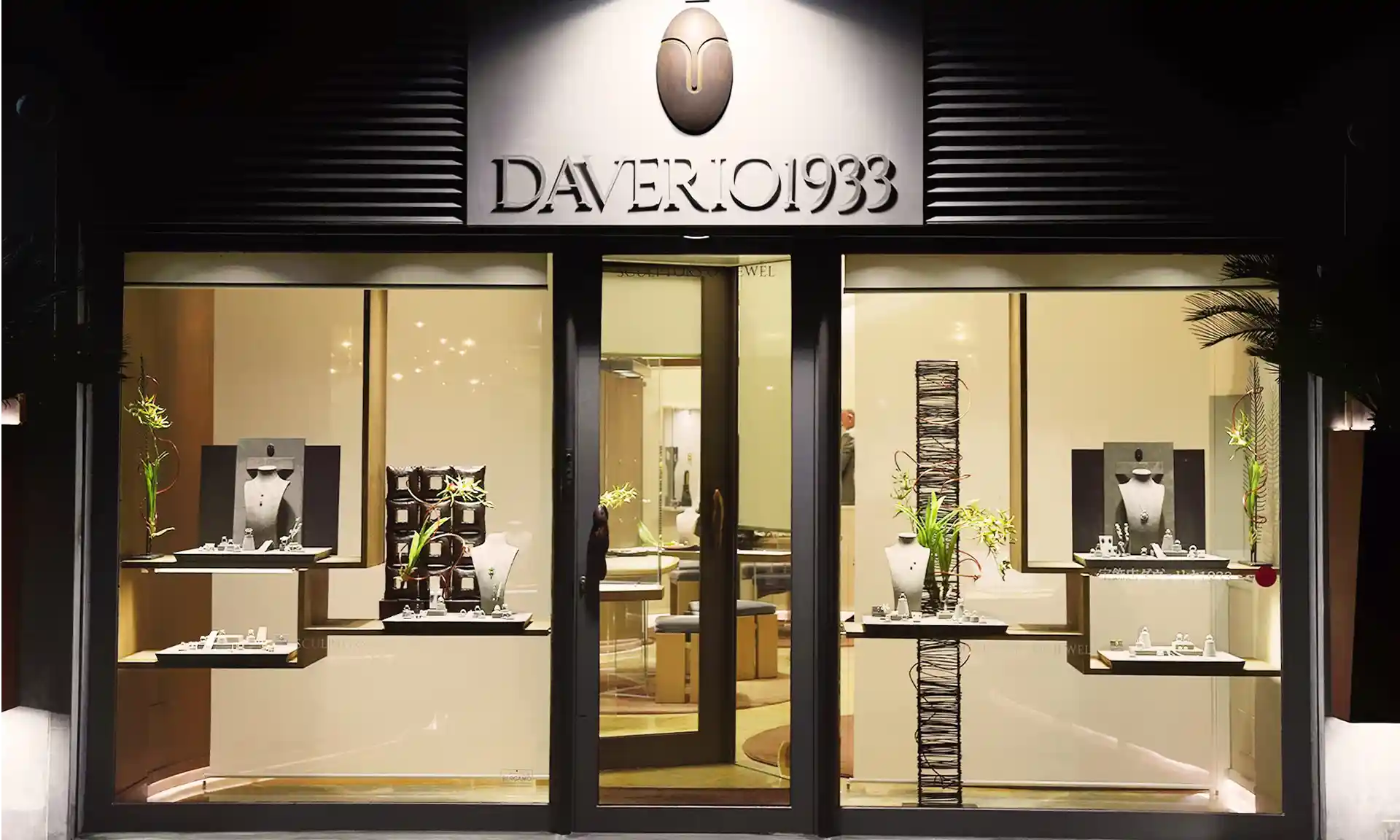

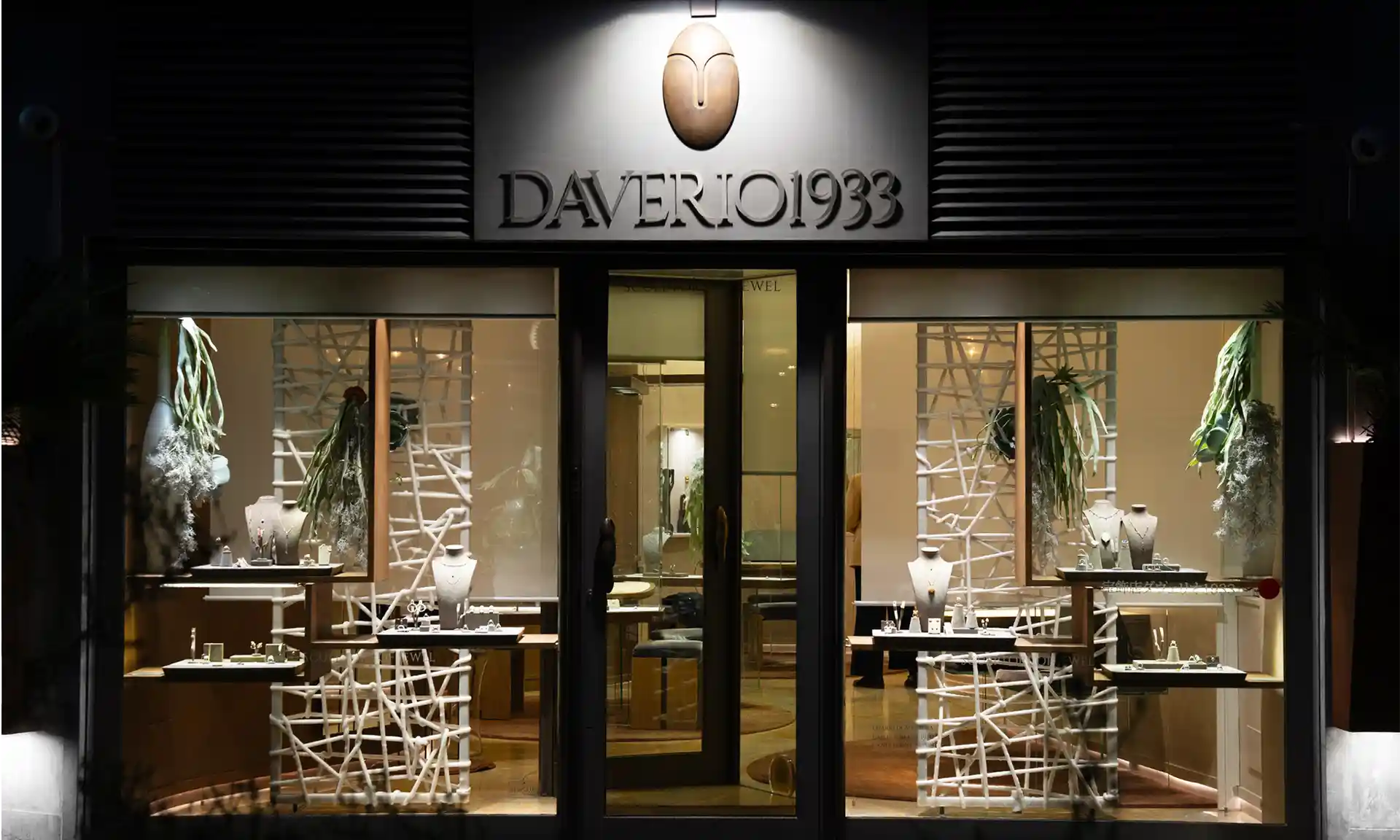
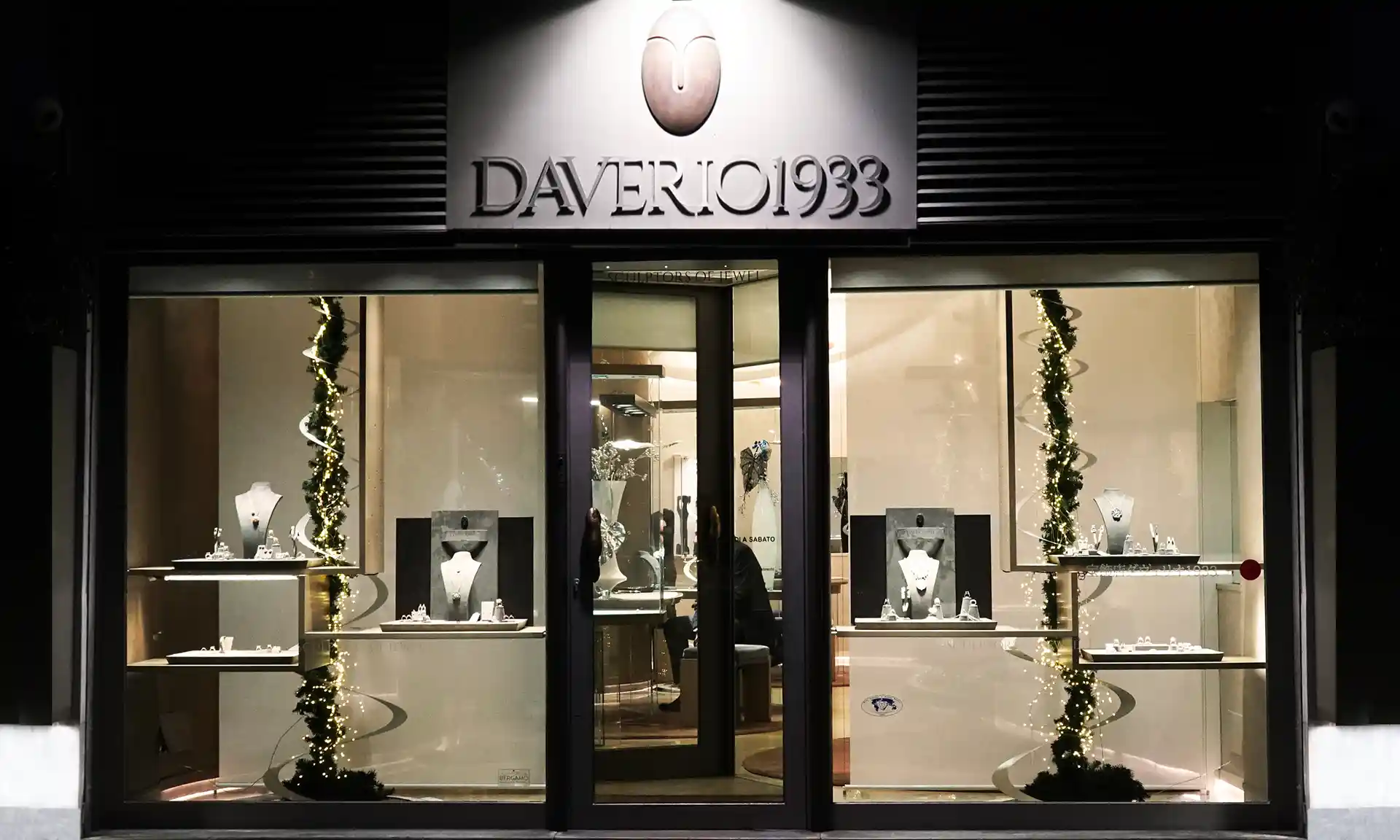

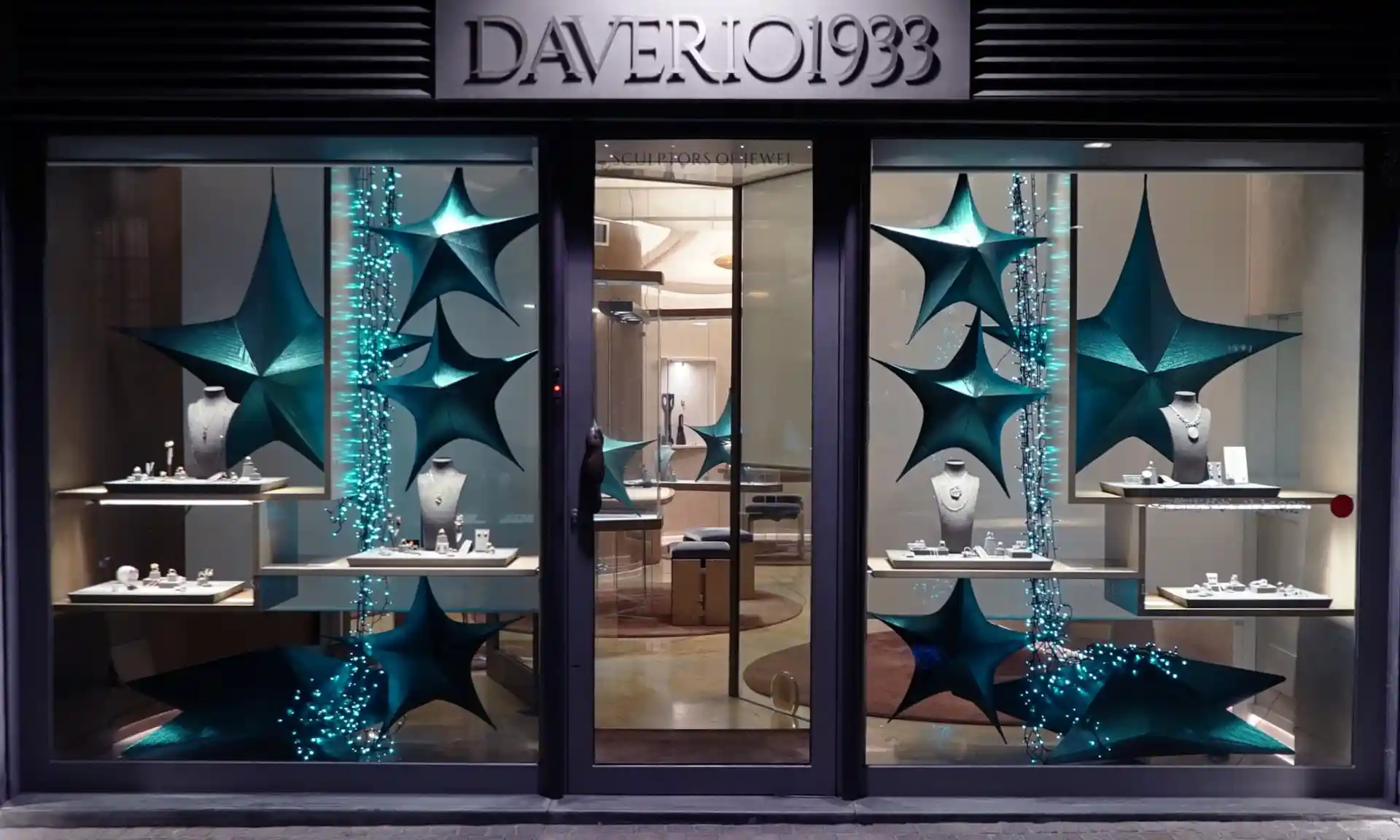
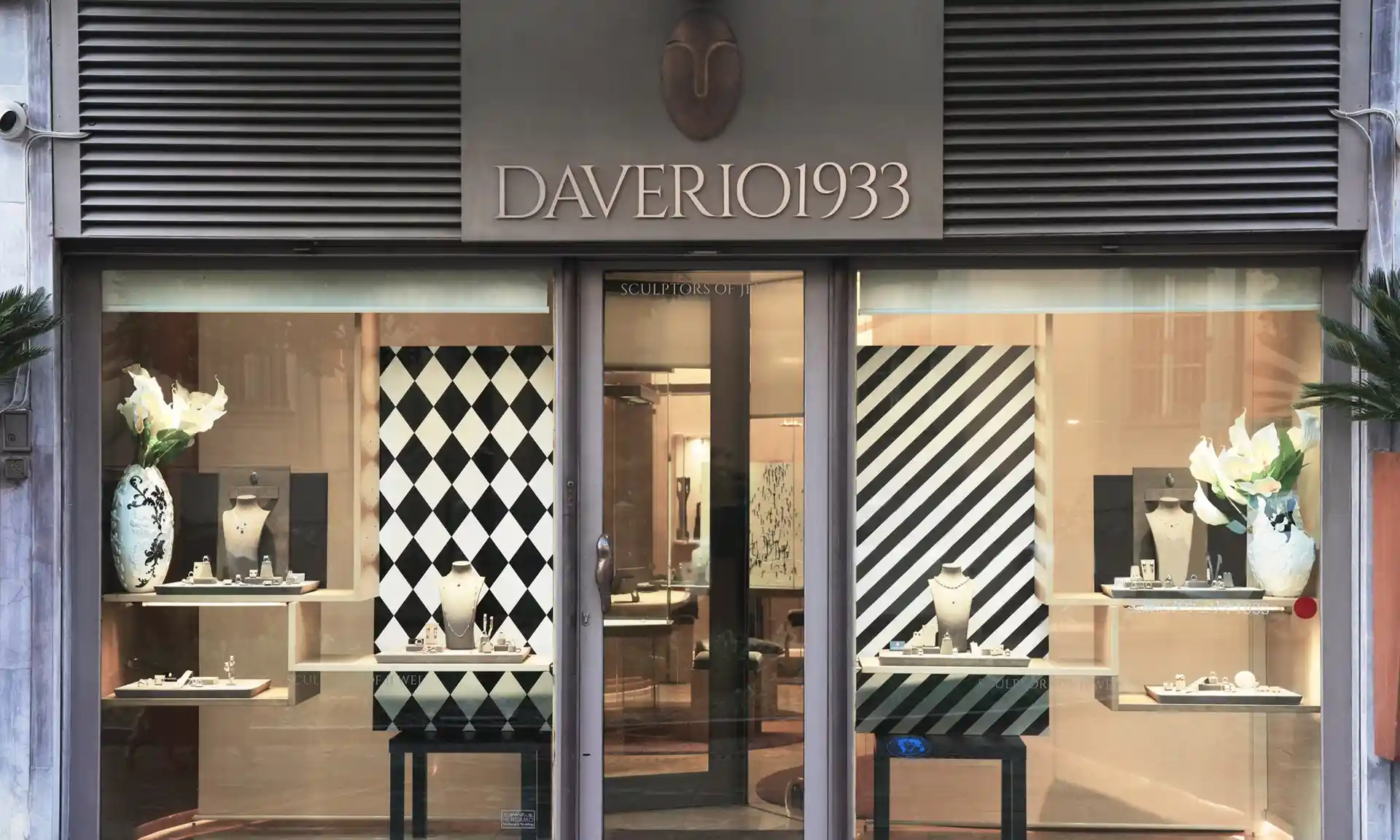
Shop windows and advertising: similar but different
«The language of the shop window – Lanfranchi continues – is certainly comparable, in many respects, to visual languages in general, and advertising visuals in particular, but it possesses certain unique characteristics that make it a language in its own right».
Here are three aspects that make the shop window more effective than advertising:
- the immediate availability of the displayed object, which can be purchased right away by entering the store;
- the three-dimensionality of the space, which links window dressing to sculpture and architecture and allows for a different view based on the observer’s position;
- the specificity of the window-dressing language, which is captured even by the hurried passerby: setting up a window with few items communicates the value and prestige of those objects, unlike a crowded window.
How to set up a shop window: the fundamental choice
“What to say”: this is the essential decision to be made even before any technical or expressive choice, to define exactly the message you want to convey.
The shop window, in fact, represents—even from outside the store—the store’s own way of interacting and communicating with the public, through the various ways in which it displays products and the arrangement of the space. This allows passersby not only to see the products on display but also to evaluate the store as a whole, deciding whether or not to enter and whether to do so immediately or in the future.
“The shop window has the potential to become a truly complete illustration of the store’s most significant aspects: a primary vehicle for the store’s image. The choice is not between having or not having a commercial image (it is impossible not to have one), but between communicating it or not communicating it through the window. Every store should have its own ‘discourse,’ a correct expression of its image, capable of best distinguishing it from the competition ».
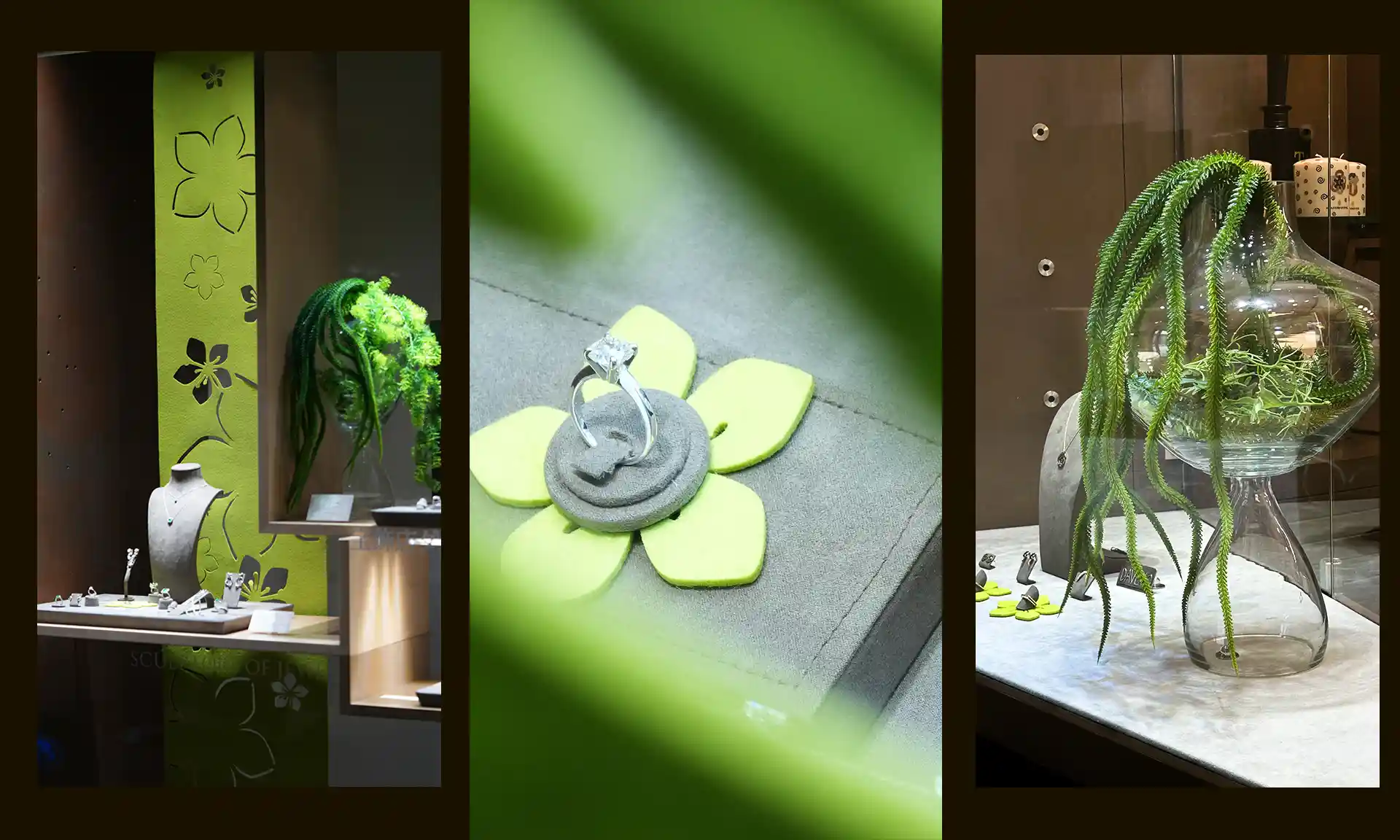
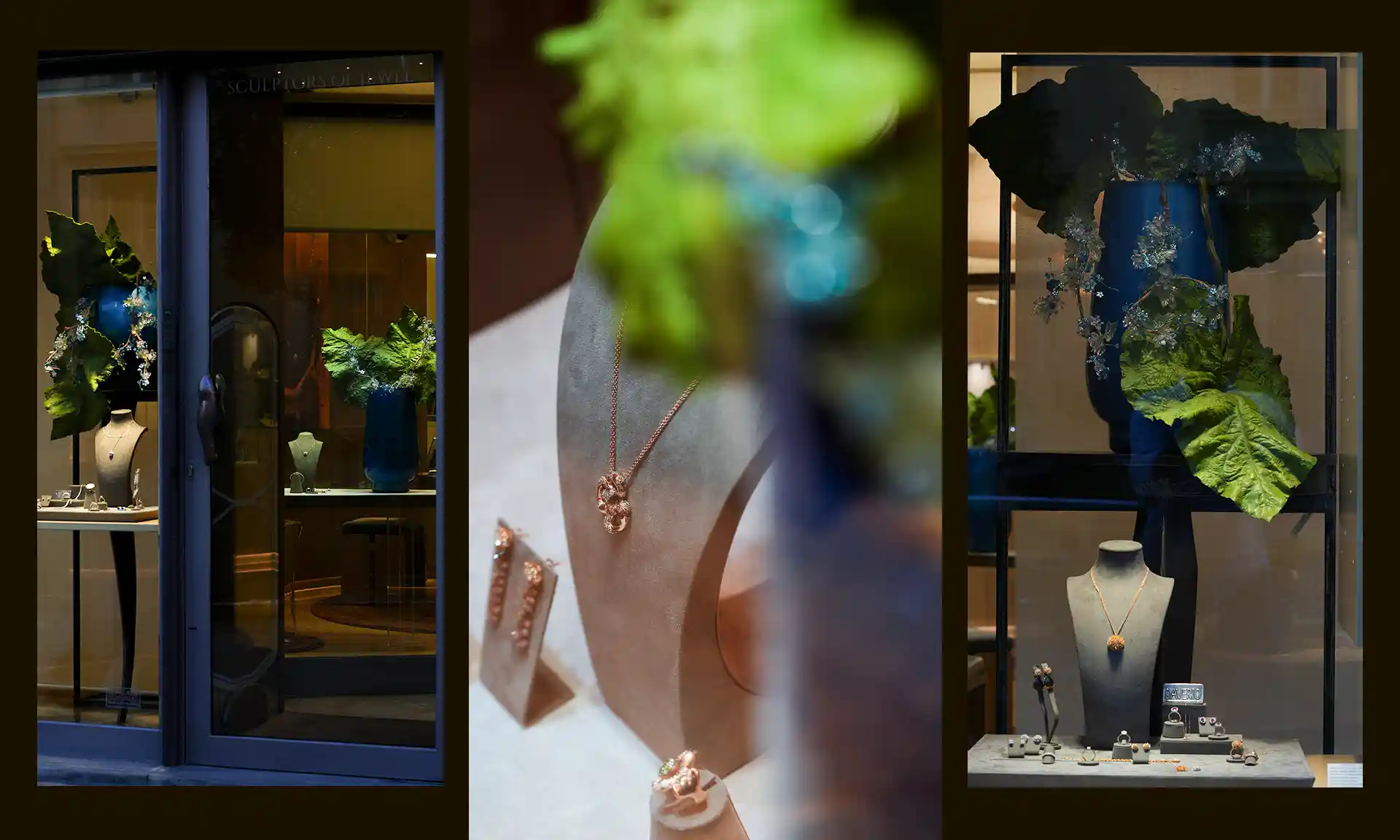

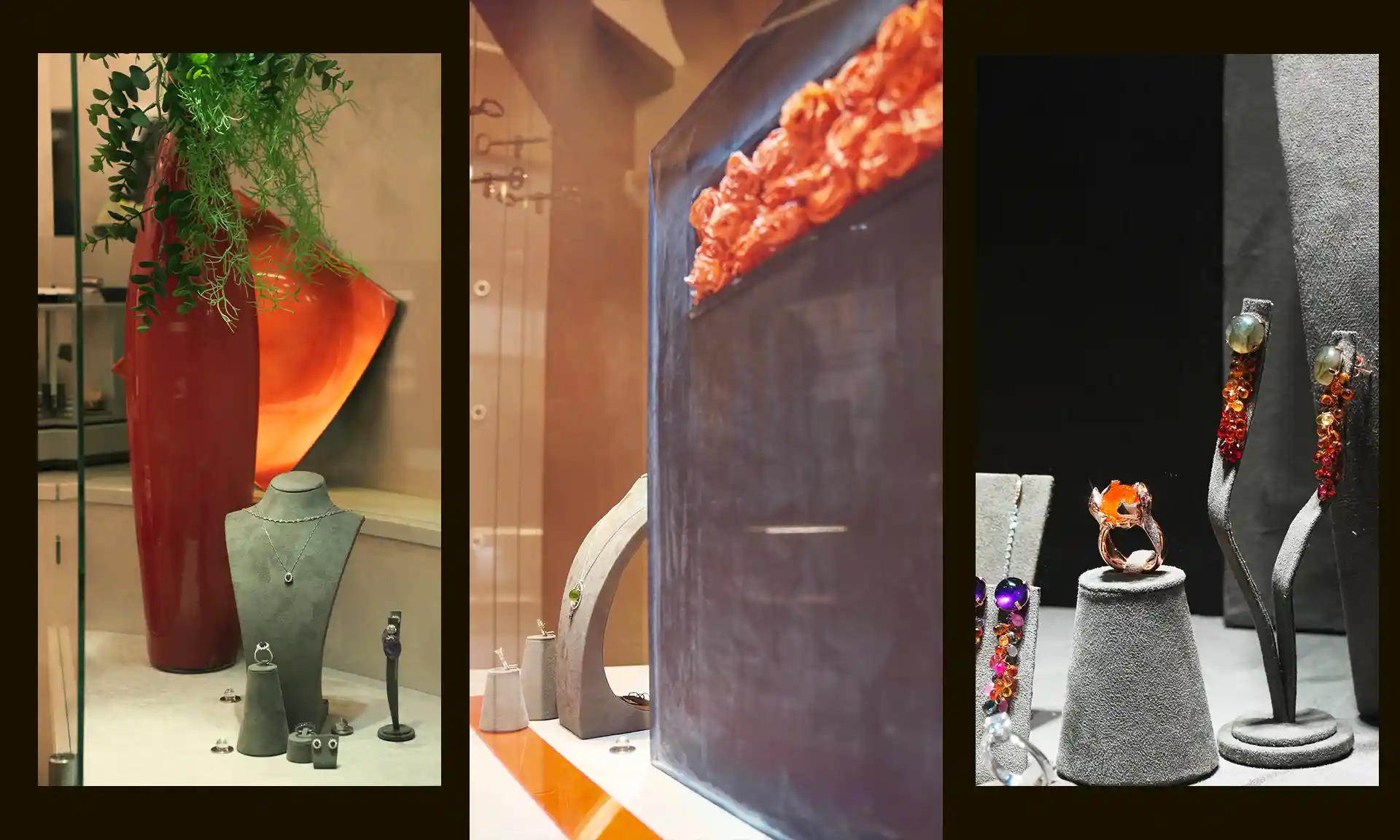

The three questions: who, where, when
No discourse is suitable for everyone, in every place, at all times.
It is therefore necessary to ask:
- who you are addressing: every window-dressing discourse is intended to attract certain categories of people while excluding others, and it is essential to adapt the message to your target clientele;
- where the window is located: different flows of people (residents, regular or casual passersby) perceive communication differently
- when the communication takes place, for example, a specific time of year.
This last aspect is fundamental: those responsible for setting up a shop window should follow the calendar, both for annual holidays (Christmas, Easter, Valentine’s Day, etc.) and for current events, such as sporting or social events, particularly those related to the local area. Window dressing should therefore be carefully planned at least in annual cycles, so that communication can remain consistent.
The role of objects in shop window dressing
Inside the shop window, objects are the basis of communication and represent the ‘words’ of the window-dressing language, essential for communicating the store’s message to the public.
There are three types of objects:
- the products, i.e., the items for sale, the true protagonists of the window
- the decorations: these are other objects, not for sale, that highlight the products and the window space
- the graphic elements: illustrations, photos, lettering, and texts useful for defining the store’s image and its communication.
As we have already mentioned, the way products are displayed determines the store’s communication from the start: the larger the empty space around the objects, the more the importance and value of the products themselves are emphasized.
The display of objects depends on the dresser’s interpretation: the position of the products, the choice of decorations and graphic elements, and the lighting determine the meaning of the message and the store’s image.
In setting up a shop window, therefore, it is important to know how to use all the potential of this communication medium to initiate and maintain a dialogue with the public and the store’s customers.