Polished or satin? How to choose the gold finish
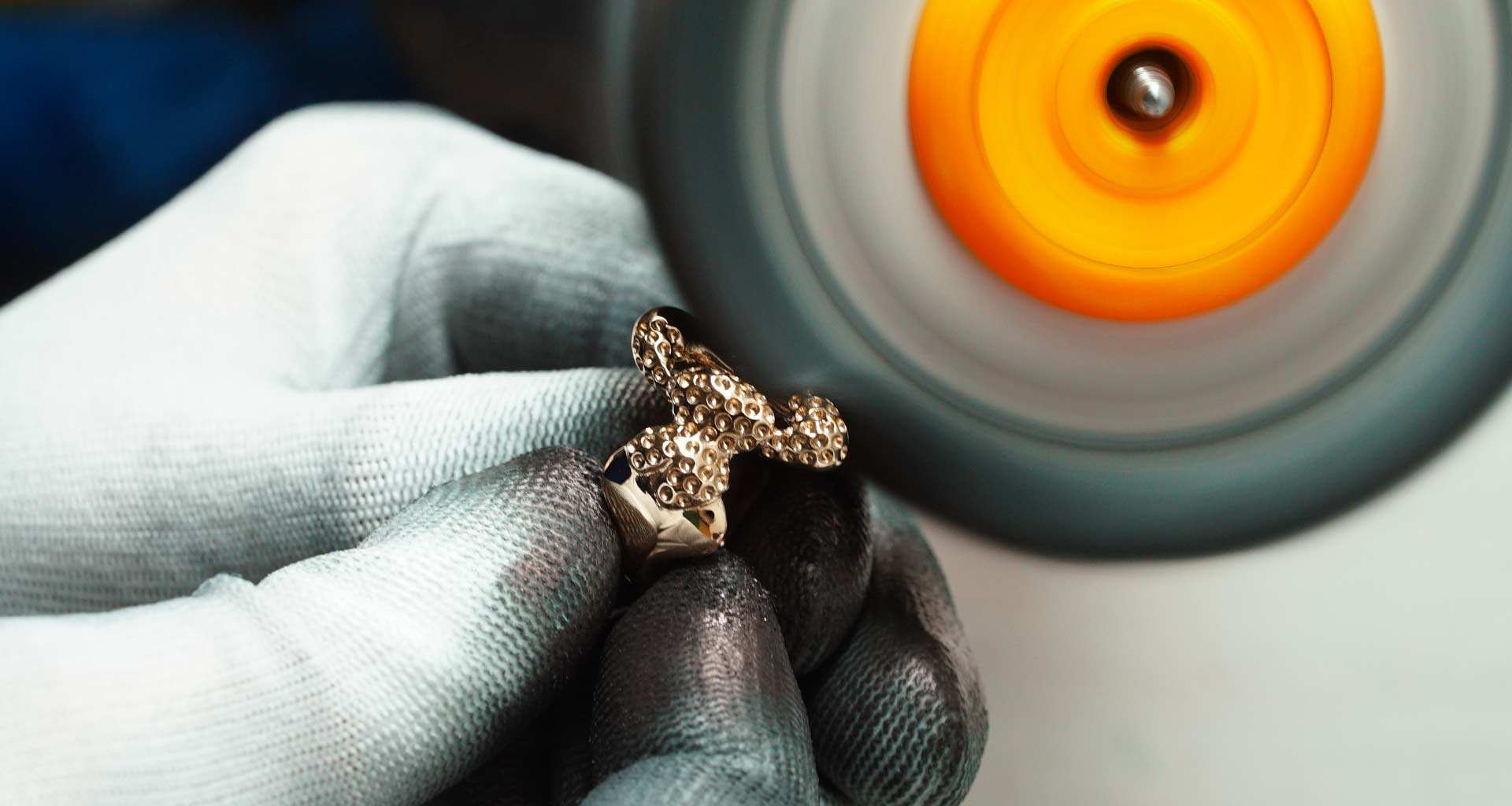
In the world of fine jewelry, the preciousness of a jewel does not reside solely in the value of the metal and gemstones: a determining and often underestimated element is the gold finish. The appearance of a ring, bracelet, or necklace, in fact, changes considerably depending on whether the gold is polished or satin, hammered or knurled.
An expert goldsmith knows how to use gold crafting techniques to transform not only the surface of a jewel, but its very style, modifying the visual and sensory perception of the wearer.
The Different Gold Finishing Techniques
Let us therefore examine the most commonly used techniques for the surface finishing of jewelry.
Polished Gold
Polishing is the most widespread finish in traditional jewelry: it renders the gold surface perfectly smooth and capable of reflecting light to the maximum.
Polished gold is ideal for the most classic and timeless jewels, such as wedding bands, solitaire rings, and all those with precious stones, because the polishing of the metal highlights the brilliance of the gems.
There is, however, a critical aspect: marks, such as small scratches, due to daily wear are more easily noticeable on the polished surface. Periodic maintenance is therefore advisable to preserve the original polish of the gold.
Satin Gold
Satin finishing, unlike polishing, produces a matte gold finish, certainly less striking than the polished one, but often more refined.
It is achieved by creating microscopic parallel grooves on the gold with a special brush, which render the surface almost velvety to the touch. An even more pronounced effect is that of sandblasting, created with high-pressure sand microparticles: the result is a rough gold texture, which loses the typical brilliance of the metal and assumes a strongly textured appearance.
Satin finishing is used especially in contemporary jewelry, sometimes also together with polishing, to create unusual and modern light effects.
Hammered Gold
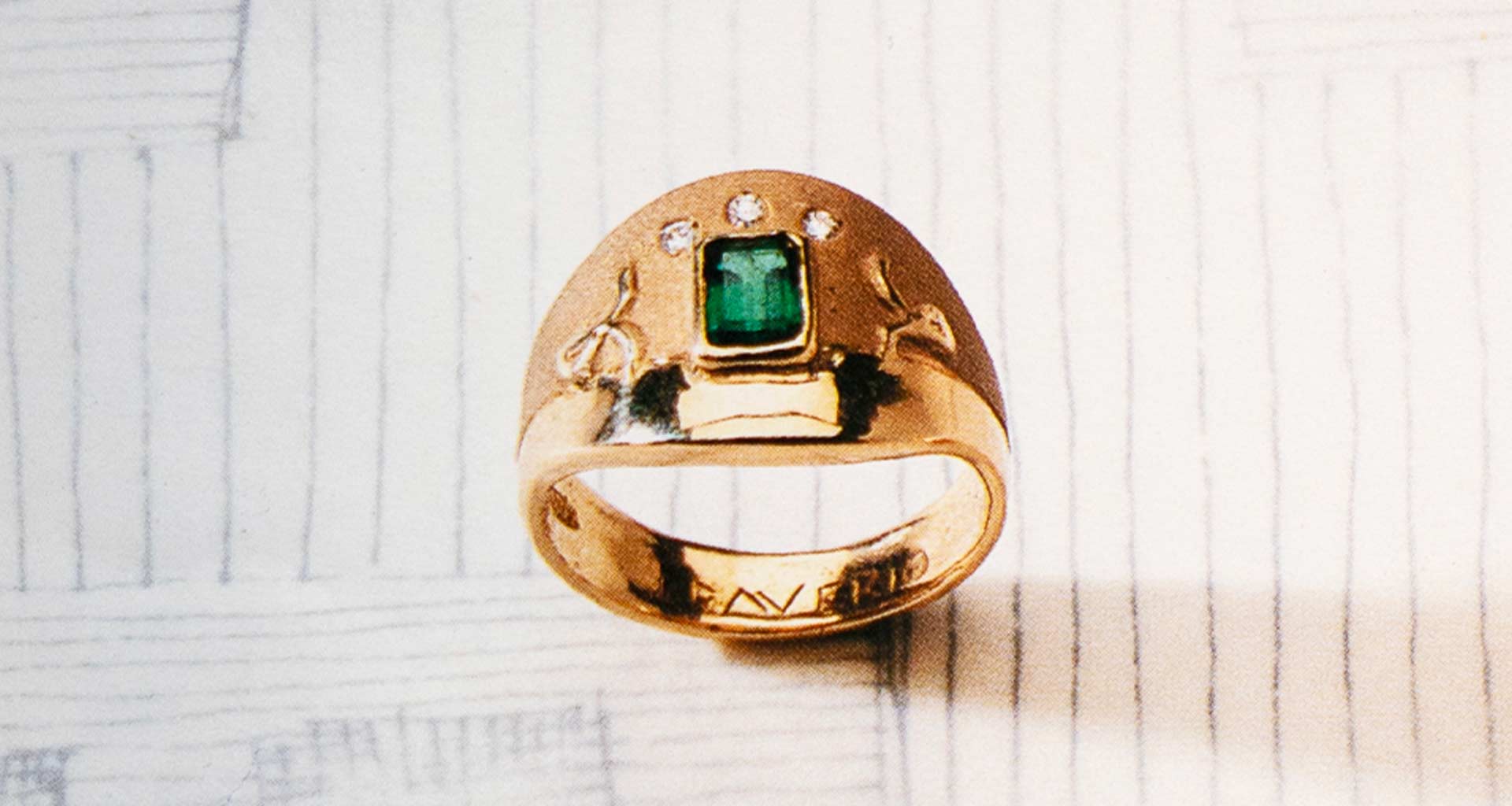
This is a very ancient technique, which involves the use of small hammers with tips of variable shapes, which create different types of facets in the gold. The result is a three-dimensional surface appearance, which reflects light in various directions and gives the jewel an artisanal and inimitable style, as in the case of the hammered wedding band.
Knurled Gold
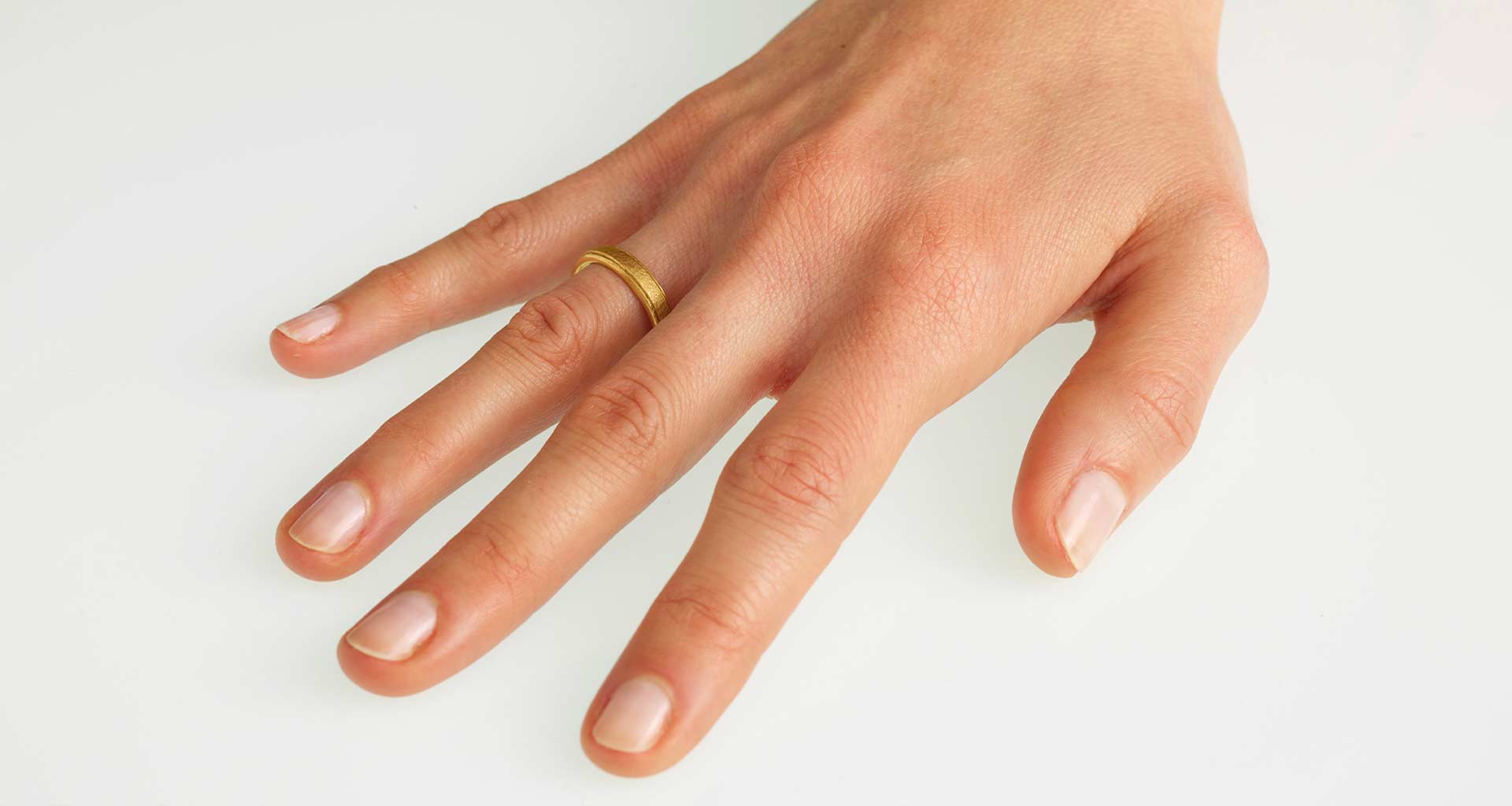
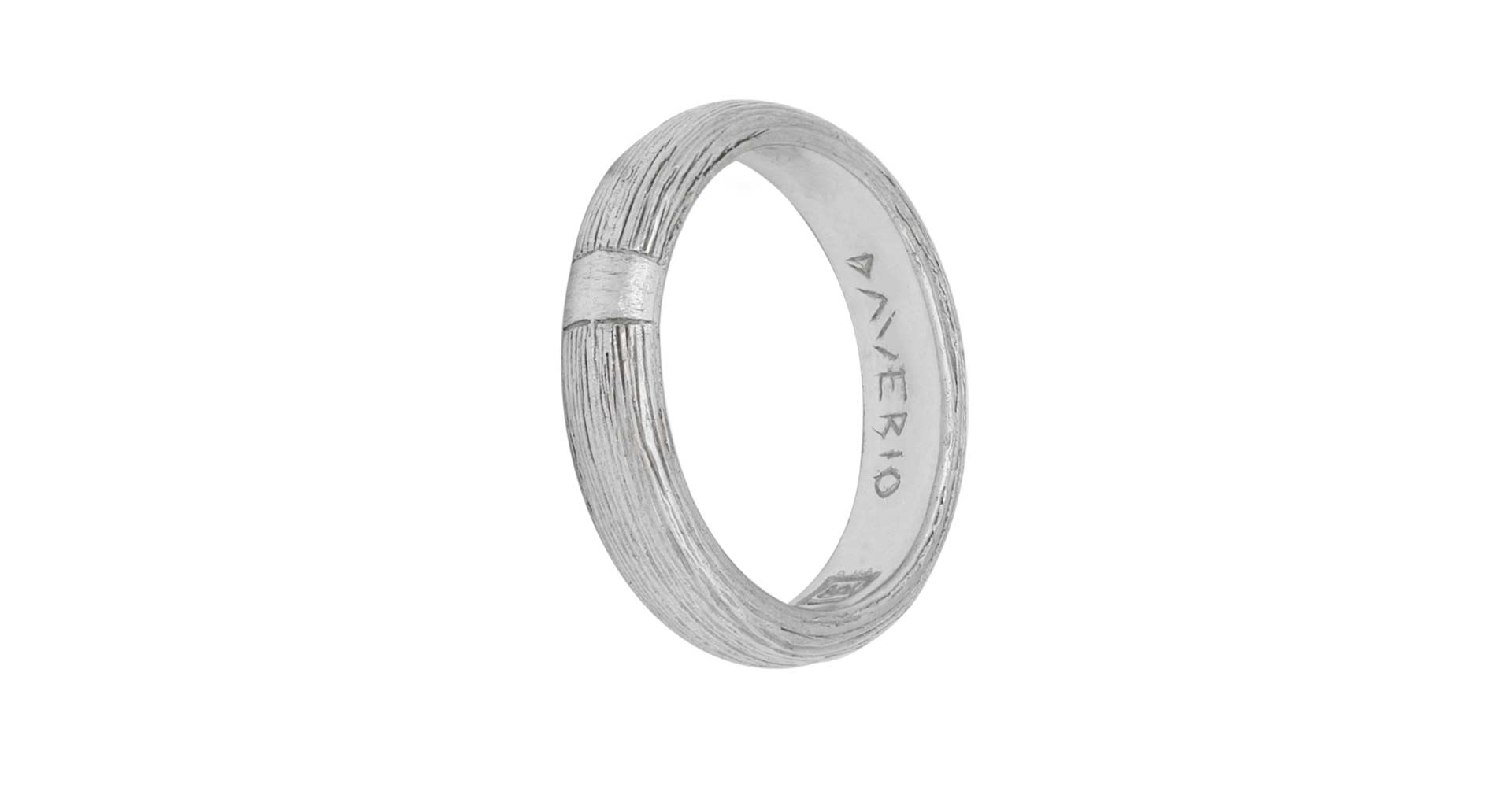
Also widely used in metalworking for industrial purposes, in jewelry knurling is used to create regular patterns on the surface, often diamond or parallel lines.
This finish is also used for custom-made wedding bands, such as the knurled and chased band created by Luca Daverio.
Other Gold Surface Finishes
Burnishing
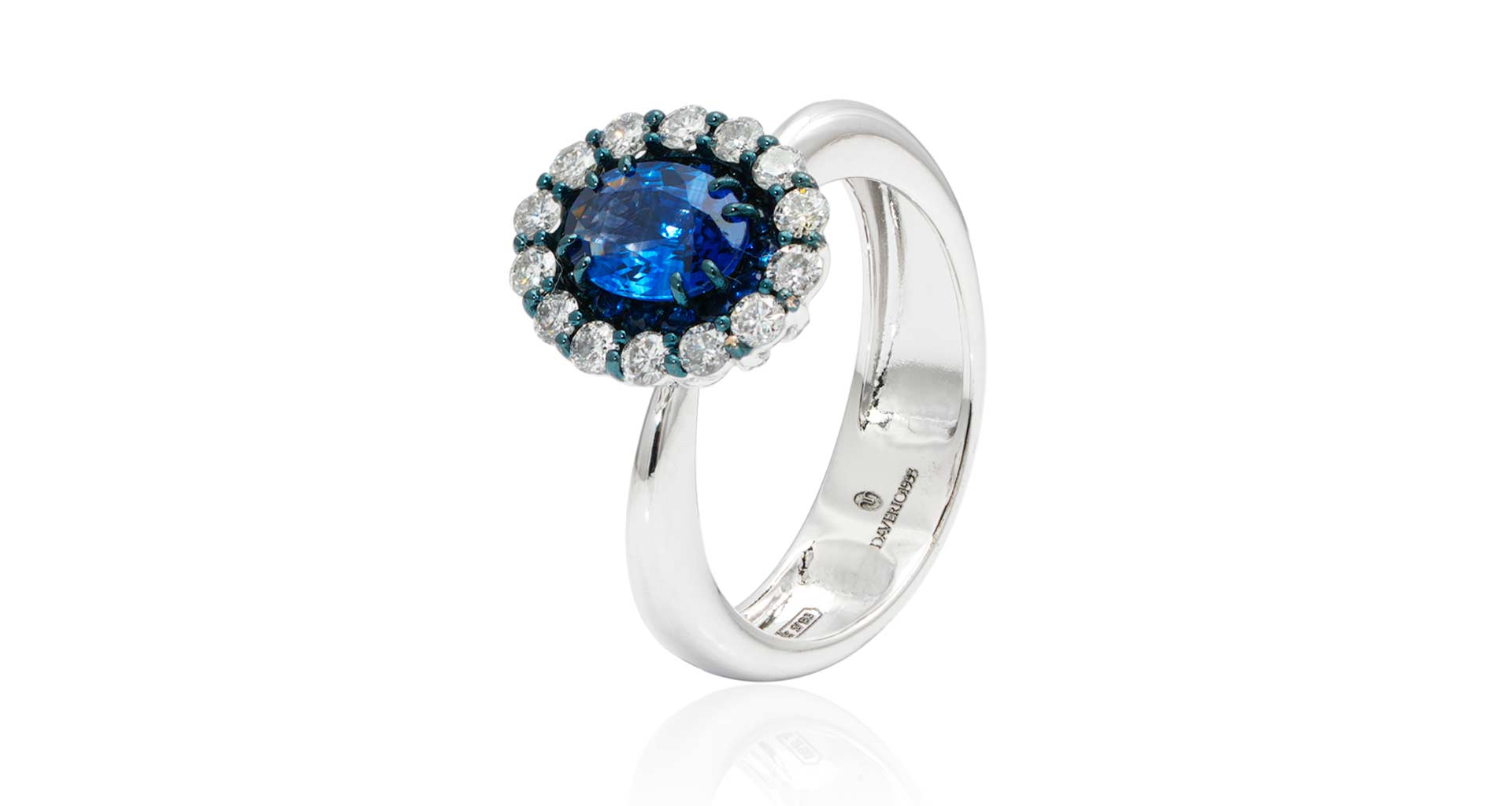
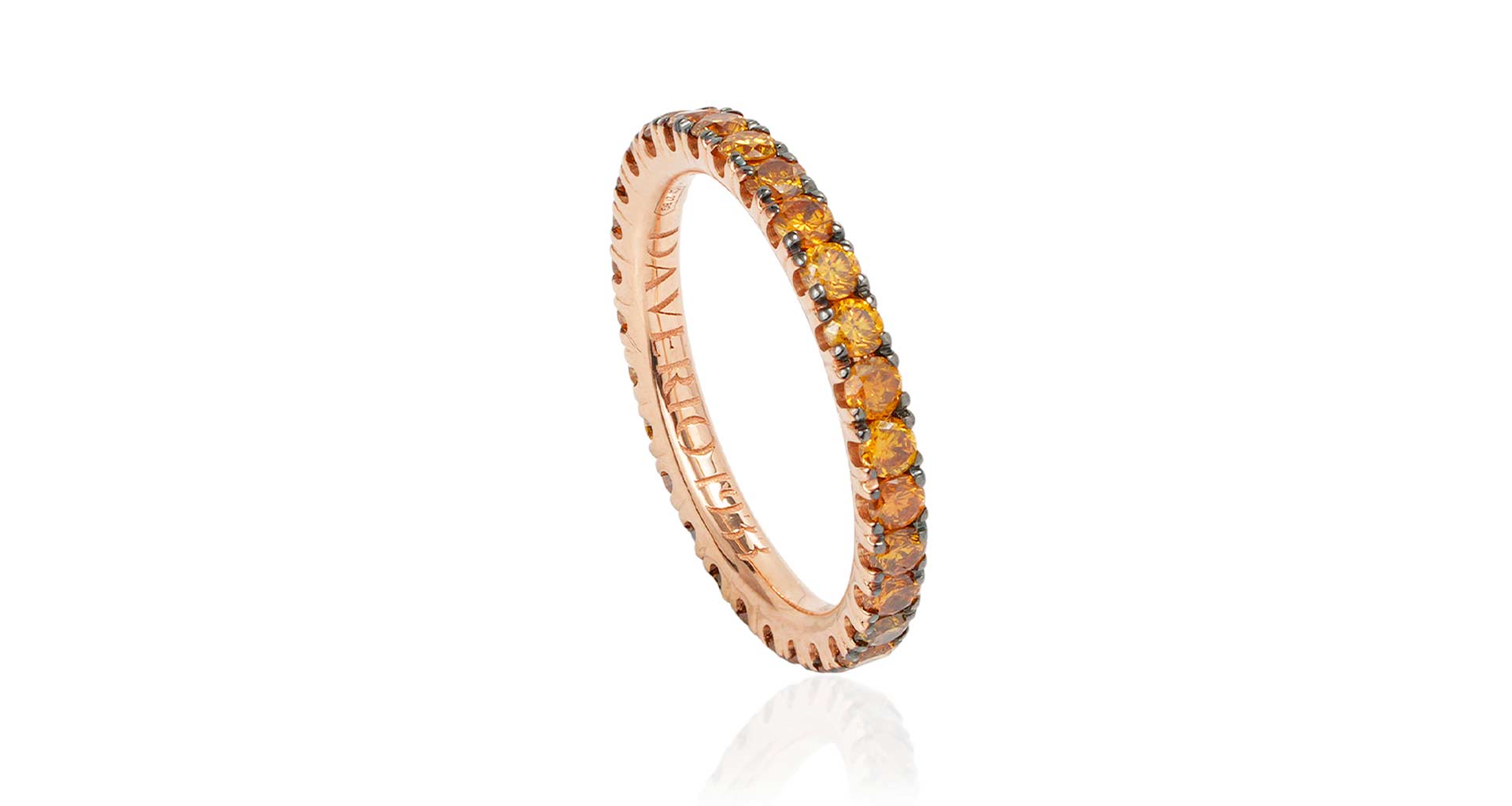
This is a technique that has two objectives, one aesthetic and one functional. Burnishing is used primarily to give luster to gold, while creating a chromatic contrast with other parts of the jewel and with precious stones. The second reason is functional: this gold finish protects the metal, making it more resistant to wear.
A typical use of burnishing is that of the prongs that set the precious stones of rings and bracelets, to harmonize the color of the gold with that of the gems.
Laser Engraving
This technique allows for the creation of details and decorations on the gold surface in an extremely precise manner. It can be used to personalize jewels, particularly for wedding bands.
A Choice That Is Not Only Aesthetic
Choosing the gold finish does not concern only the exterior appearance, but also affects, as we have seen, the style and perception of a jewel.
If polished gold immediately evokes classic fine jewelry, the satin appearance, more or less matte, conveys a stylistic pursuit that seeks to bring out the materiality of gold in a more unusual way. Hammering and knurling, on the other hand, decisively showcase the creativity and hand of the jewel designer, who does not merely treat the surface of the jewel, but transforms it, with techniques as ancient as they are elaborate.
When faced with different finishes, therefore, the choice depends greatly on the personality and style of the person who will wear the jewel. It is not only a matter of personal taste: a polished or satin jewel reflects light in very different ways and may suit certain skin tones better than others. Lifestyle may also play a role: a polished gold ring will require greater care than one with a satin finish.